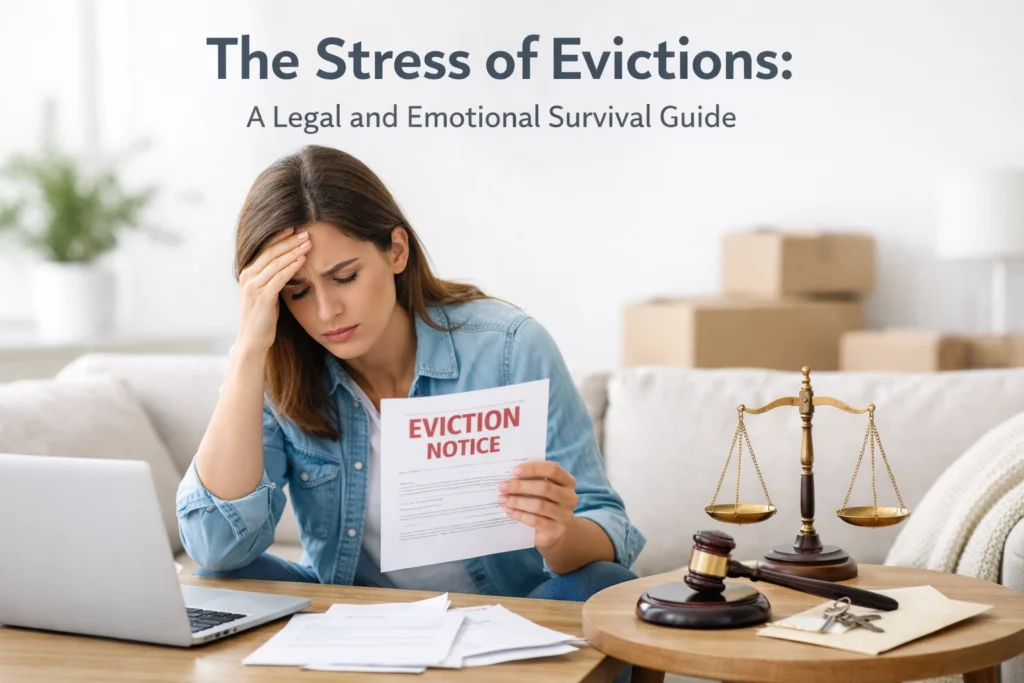
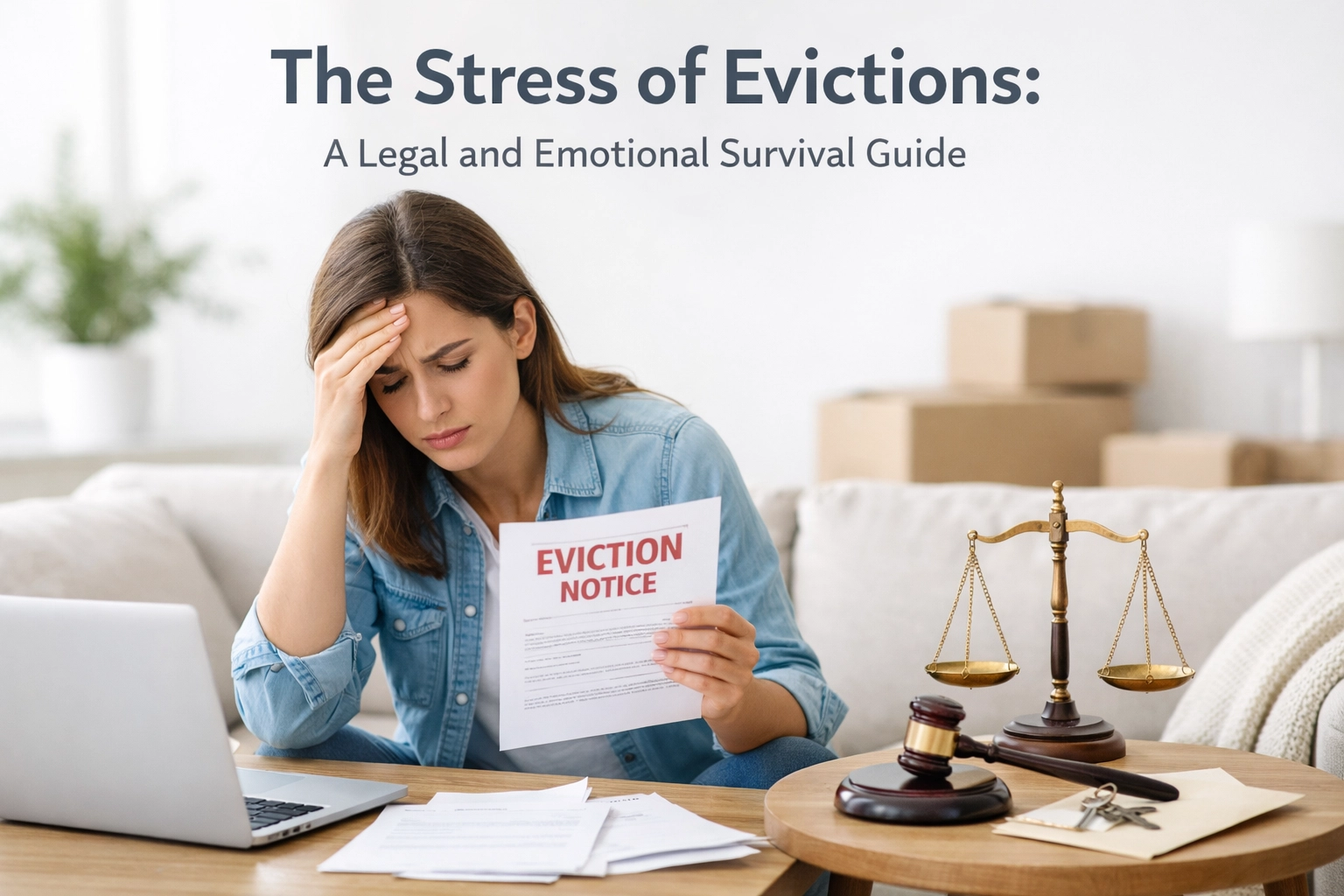
There’s a specific kind of silence that happens when a rent payment doesn’t show up on the first of the month. At first, you tell yourself it’s just a bank delay. Then, you think maybe they forgot because it was a long weekend. But by the fifth or sixth day, that silence starts to feel heavy. It turns into a knot in your stomach: a mix of financial worry and a sense of betrayal.
At SilverLeaf Property Ltd and through our work in the Saskatoon rental world, we’ve seen this story play out more times than we’d like to count. Dealing with a non-compliant tenant isn’t just a "business hurdle." It’s an emotional marathon that can leave even the most seasoned property owner feeling drained, angry, and, frankly, a little hopeless.
If you’re currently staring at an empty inbox or a lease agreement that’s being ignored, we want you to know two things: first, you aren't alone, and second, there is a clear, legal path forward. This guide is here to help you navigate the eviction process in Saskatchewan while keeping your sanity (and your property) intact.
The Reality of the "Bad Guy" Syndrome
One of the biggest hurdles for local owners is the emotional weight of being the one to initiate an eviction. We’re Saskatchewanians: we’re naturally polite, we want to help our neighbors, and we hate conflict. Often, owners wait far too long to take action because they don't want to be the "bad guy."
But here’s the perspective shift we often share: following the legal process isn't about being mean; it’s about protecting your investment and maintaining a standard for your property. When a tenant stops paying or violates the lease, they’ve already broken the agreement. You aren't "doing something to them": you are simply responding to a situation they created.
Acknowledging the stress is the first step. It is perfectly normal to feel anxious about a hearing or frustrated by the lost income. By focusing on the facts and the legal steps, you can take some of that "personal" sting out of the equation.

Understanding the Legal Landscape in Saskatchewan
In our province, the rules are governed by the Residential Tenancies Act, 2006. If you’re looking into legal property management in Saskatoon, the first thing you’ll learn is that the Office of Residential Tenancies (ORT) is the referee.
You cannot: and we really mean cannot: take matters into your own hands. We’ve heard the "old school" advice: change the locks, cut off the water, or move their couch to the curb. In 2026, doing any of those things is a fast track to a massive fine and a judgment against you. Even if the tenant hasn’t paid a dime in months, they have rights until an official Order of Possession is issued.
The Paper Trail: Your Best Friend
Success at the ORT depends entirely on your documentation. If it isn't written down, it didn't happen. From the moment things go sideways, you need to keep a meticulous log:
- Payment Records: Bank statements or ledger entries showing the missing rent.
- Communication: Save every text, email, and a log of every phone call (including the time and what was discussed).
- Notice Delivery: If you serve a notice, take a photo of it on the door or keep the registered mail receipt.
Step-by-Step: The Eviction Process in Saskatchewan
Navigating the legalities can feel like walking through a maze, but it usually follows a specific rhythm.
1. The Proper Notice
For non-payment of rent, if the tenant is more than 15 days late, you can issue a Form 7 (Notice to Vacate). And to be crystal clear on timing: that 15-day period starts the day after rent is due (so if rent is due on the 1st, “day 1” is the 2nd). However, many owners choose to start with a polite but firm late payment notice the day after rent is due. Sometimes, a simple reminder is all it takes to get things back on track.
Just as important—use the official Office of Residential Tenancies (ORT) forms for any notices or filings. It’s one of the easiest ways to stay compliant and avoid having your application delayed (or dismissed) over a technicality. If the issue is a lease violation (like unauthorized pets or noise), you usually have to give them a "notice to remedy" first: essentially a chance to fix the problem before you move to evict.
2. Filing with the ORT
If the notice period passes and the tenant is still there (and still not paying), your next move is to apply for a hearing with the Office of Residential Tenancies. There is a fee for this, but it’s a necessary step to get an official "Order of Possession."
3. The Hearing
Currently, most of these hearings are done via conference call. This is where your paper trail comes into play. You’ll state your case, the tenant will state theirs, and a Hearing Officer will make a ruling. It can be nerve-wracking, but if you have your documents organized, you’re in a much stronger position.
4. The Order of Possession
If the officer rules in your favor, they will issue an Order of Possession. This is the legal document that says the tenant must move out by a specific date.

Managing the Financial and Emotional "Snowball"
While the legal process moves forward, the financial stress often starts to snowball. You still have a mortgage to pay, property taxes are due, and now you’re looking at legal fees and potential repair costs.
This is where "grounding" yourself is vital. When we’re stressed, our brains tend to jump to the absolute worst-case scenario: thinking the house will be trashed or we’ll lose the property entirely. Take a breath. Focus on what you can control today. Can you clean up the landscaping? Can you start looking at new flooring options for when the unit is vacant?
Actually, that's one of the silver linings we see. An eviction is often the catalyst for a much-needed reset—fresh paint, a deep clean, and a few smart repairs that help you protect your investment. Turning a "problem property" into a clean, well-cared-for home can be a very therapeutic way to close a stressful chapter and attract a higher quality of tenant for the future.
Can We Fix It Without the Court?
Before you go all the way to a hearing, it’s often worth trying one last round of "human-to-human" negotiation. This isn't about being soft; it’s about being practical.
We sometimes suggest a "Cash for Keys" agreement. It might feel wrong to pay a non-compliant tenant to leave, but if it saves you two months of lost rent and the cost of a formal eviction, it’s often the smartest financial move. Negotiating an early lease termination can keep an eviction off their record and get your property back into your hands weeks sooner.
If you do go this route, ensure everything is signed in writing. A "Mutual Agreement to Terminate a Tenancy" is a powerful tool in your property management toolkit.
When to Bring in the Pros
If reading all of this makes your head spin, that is a completely valid feeling. You might be a great property owner but a terrible "enforcer": and that’s okay. This is why legal property management in Saskatoon has become so vital.
Professional managers act as a buffer. They handle the "2 AM furnace calls," the late rent follow-ups, and the ORT hearings so you don't have to. They know the legislation inside and out, ensuring that no technicality ruins your case.
Whether you choose to manage it yourself or hire a team, remember that this situation is temporary. The "Stress of Evictions" is a season, not a permanent state of affairs.

Moving Toward Solid Ground
Once the dust settles and the tenant has moved on, take a moment to assess. Check the bones of the property. If the previous situation left your place looking a little worse for wear, we’d love to help you get it rent-ready again—fast, practical, and with a plan you can feel good about. A fresh start visually can go a long way in healing the emotional stress of a bad tenancy.
You’ve worked hard for your investment. Don’t let one bad experience sour you on the benefits of owning property in our great city. Stay documented, stay calm, and remember that you have a community here in Saskatoon ready to help you get back on solid ground.
If you ever want to chat about getting your rental back on track after a move-out, or you just want a steady, local team in your corner for the next steps, reach out to us at SilverLeaf Property Ltd. We’re always happy to help a neighbor.
SilverLeaf Property Ltd. is a licensed real estate brokerage in the Province of Saskatchewan. This article is provided for informational purposes only and does not constitute legal or professional advice. Readers should consult with the Office of Residential Tenancies (ORT) or a qualified legal professional for specific guidance.