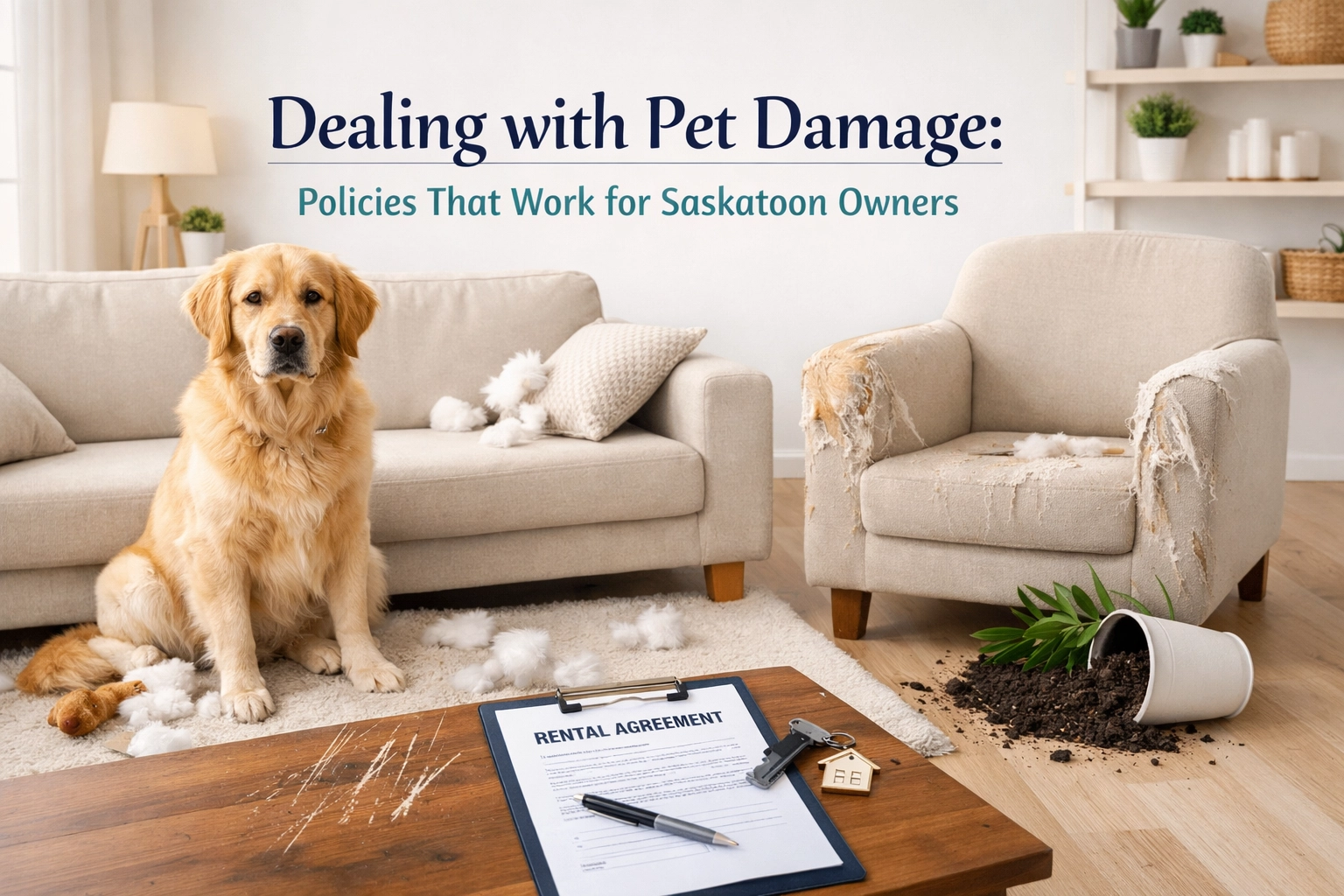
If you’ve owned rental property in Saskatoon for more than a few months, you’ve likely faced "The Big Question." It usually happens during a showing or in a late-night email: "Do you allow pets?"
For many owners, that question triggers a bit of an internal tug-of-war. On one hand, you want a reliable tenant who stays for the long haul. On the other hand, you’ve heard the horror stories about scratched-up baseboards, "mystery stains" on the carpet, and the lingering scent of a wet dog in the hallway. We get it. At SilverLeaf Property Ltd, we’ve seen the aftermath of pet damage more times than we can count, but we’ve also seen how a well-managed pet policy can actually be a secret weapon for your investment.
Finding the right balance between being "pet-friendly" and "property-protected" isn't just about luck. It’s about having the right policies and, perhaps more importantly, the right materials underfoot. Let’s dive into how you can navigate pet friendly rentals in Saskatoon without losing sleep over your security deposit.
Why Saying "Yes" to Fido Might Be Your Best Move
It sounds counterintuitive to welcome a 70-pound Golden Retriever into your freshly renovated suite, but hear us out. Saskatoon’s rental market is competitive. By opening your doors to pet owners, you are instantly expanding your pool of potential applicants by a massive margin.
Statistics across Canada show that pet owners often stay in their rentals longer. Why? Because finding high-quality pet friendly rentals in Saskatoon can be a challenge. When a tenant finds a place where their furry family member is truly welcome, they tend to treat that home with a bit more respect: and they aren't in a hurry to leave and start the search all over again.
Reduced turnover means less money spent on advertising, fewer months of vacancy, and a more stable bottom line. The trick is making sure your property is built to handle the extra wear and tear.

Navigating Pet Damage Deposits in Saskatchewan
Before we talk about the physical property, we need to talk about the paperwork. One of the most common points of confusion we hear about involves pet damage deposits in Saskatchewan.
In our neck of the woods, the rules are fairly specific. According to the Saskatchewan Office of the Residential Tenancies (ORT), the total security deposit—including any pet deposit or pet-related deposit amount—cannot exceed one month’s rent. However, landlords may still choose to charge a non-refundable pet fee (or monthly “pet rent”) as long as that charge is not treated as part of the security deposit and your lease is crystal clear about what it is.
Many Saskatoon owners opt for a monthly "pet rent" (usually $20–$50) or a one-time non-refundable fee to cover the extra cleaning required once the tenant moves out. Whatever you choose, it is vital to have it clearly outlined in your lease agreement. We always suggest being upfront and friendly about these costs: most pet owners expect them and are happy to pay if it means they get to keep their companion by their side.
The Foundation of a Pet-Proof Rental: Choosing the Right Floors
This is where we really come into the picture. If you are going to allow pets, you need to stop thinking about what looks "pretty" in a showroom and start thinking about what can survive a "zoomie" session at 2:00 PM on a Tuesday.
When owners ask us for advice on pet-proofing, we almost always point them toward specific materials that balance aesthetics with industrial-grade durability.
1. Luxury Vinyl: The Gold Standard
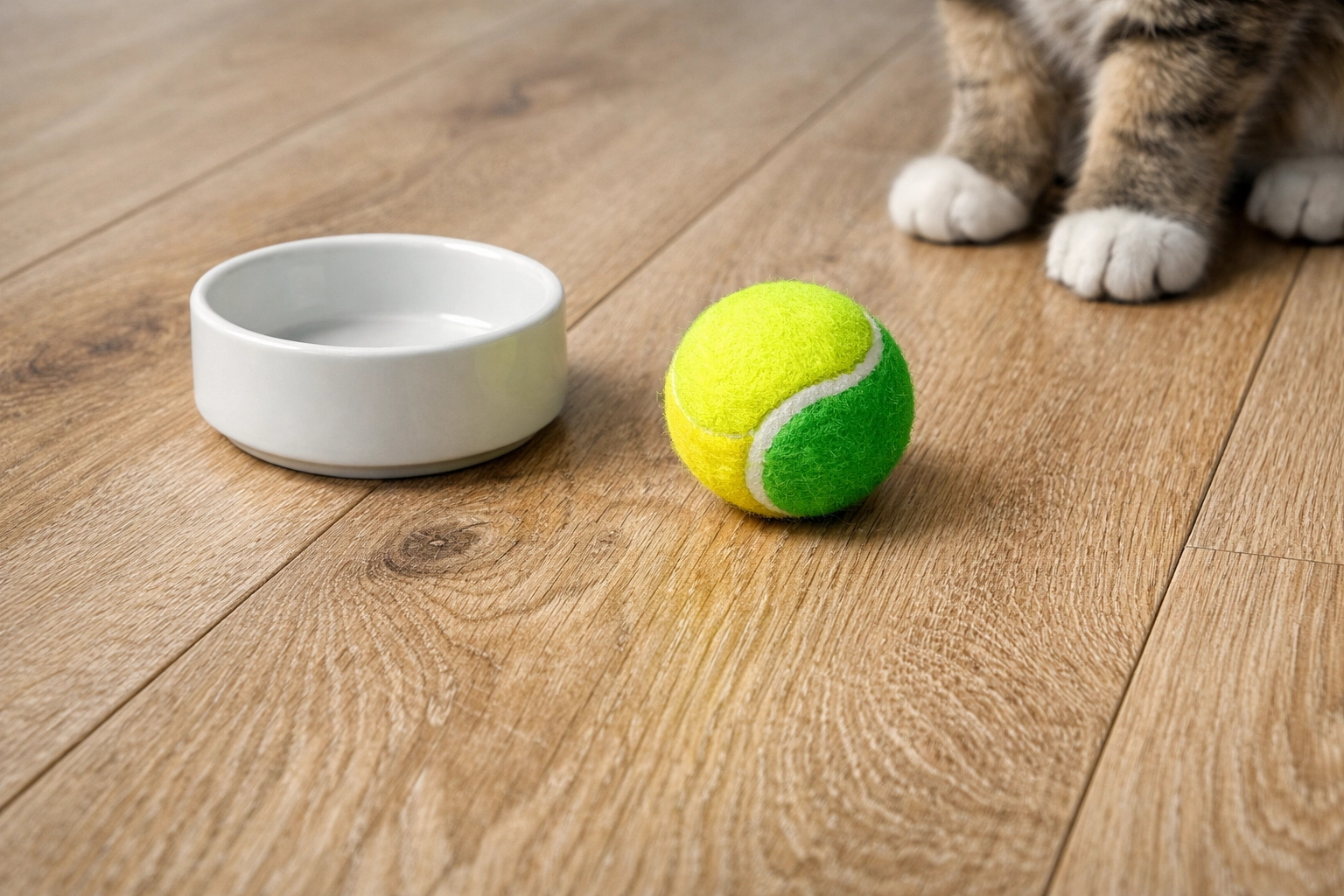
If there is a "magic bullet" for rental properties, it’s Luxury Vinyl Plank (LVP). Modern LVP is nearly indistinguishable from real wood, but it is waterproof and incredibly scratch-resistant. If a pet has an accident, it won’t seep into the subfloor and cause permanent odor issues like it might with hardwood or low-grade laminate.
2. High-Performance Laminate
Laminate has come a long way. While older versions were prone to swelling if they got wet, newer lines offer incredible water resistance and a surface layer that is harder than most natural woods. It’s a great way to get that high-end look without the high-end anxiety.
3. Tile for High-Traffic Zones
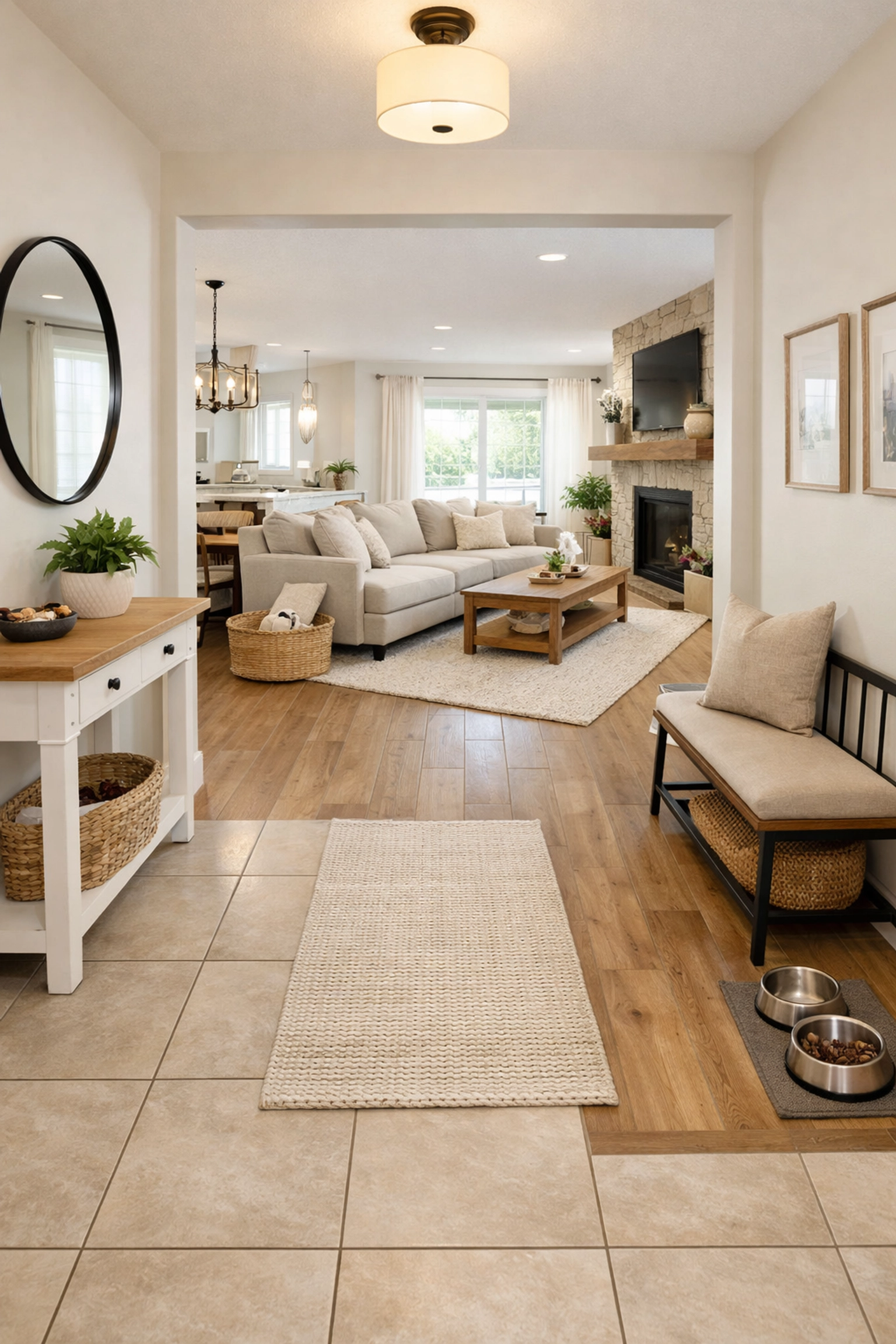
For entryways and bathrooms, you really can’t beat tile. It’s practically indestructible. It can handle mud, snow, and claws without breaking a sweat.
The "Pet Interview" and Screening Process
You wouldn't rent your house to a human without checking their references, so why do it for a pet? A "Pet Policy" is only as good as the screening process behind it.
We recommend asking for a "Pet Resume." This might sound a bit silly, but it shows the tenant is responsible. A good pet resume includes:
- Proof of vaccinations and local licensing.
- A photo of the pet (to avoid the "surprise" of a Great Dane in a "small dog only" unit).
- References from previous landlords specifically mentioning the pet’s behavior.
- Information on who looks after the pet when the owner is at work (bored dogs are destructive dogs!).
By taking these steps, you’re not just vetting the animal; you’re vetting the owner’s level of responsibility.
Practical Policies to Protect Your Property
Aside from choosing the right hard-surface flooring or tile, there are several "house rules" you can implement to keep things in tip-top shape:
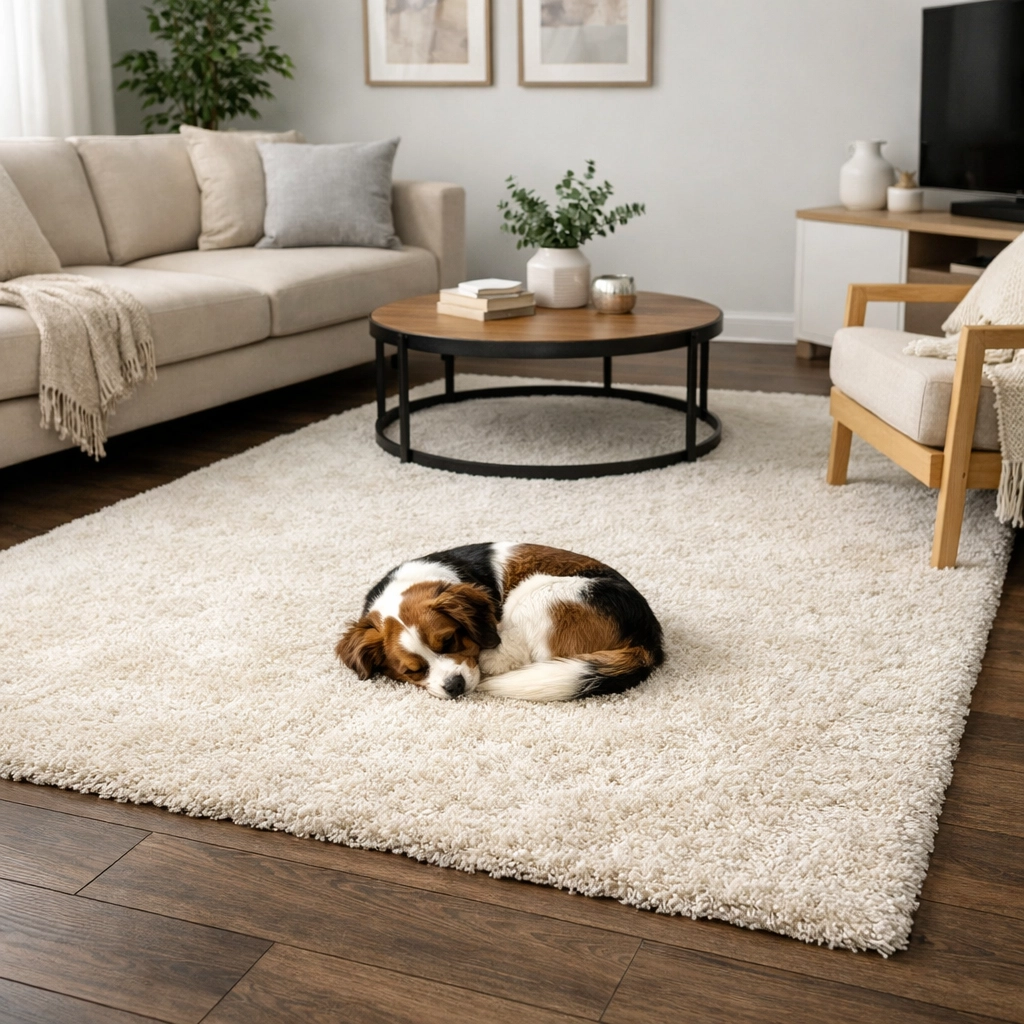
- Mandatory Rugs: You might require that large area rugs be used in living rooms if you have hardwood floors or laminate. This protects the "runway" where dogs usually pick up speed.
- Routine Inspections: Schedule a walkthrough every six months. It’s much easier to address a small scratch or a minor odor issue early on than it is to deal with a total floor replacement after three years of neglect.
- Professional Cleaning Clause: Include a requirement in the lease that carpets must be professionally steam-cleaned upon move-out. Many modern carpets are designed to release stains more easily, but a professional touch ensures the next tenant enters a fresh-smelling home.
When the Worst Happens: Dealing with Damage
Despite your best efforts, accidents happen. Maybe a puppy chewed a corner of the baseboard, or a cat decided the carpet was a scratching post.
The first thing to do is remain calm. This is why you did the move-in inspection report! Compare the current state to your photos from move-in day. If the damage goes beyond "normal wear and tear," you are well within your rights to use the security deposit for repairs.
When it comes to fixing the damage, don't just patch it. If a section of vinyl is gouged, one of the benefits of LVP is that you can often replace individual planks rather than the whole floor. If you’re unsure how to handle a repair, we’re always here to help.
Creating a Partnership with Your Tenants
At the end of the day, we believe that the best rental experiences come from a place of mutual respect. When you provide a high-quality, durable home with great flooring, tenants are more likely to take pride in where they live. They see that you care about the property, and they’ll be more inclined to keep their pets in check.
Being a landlord in Saskatoon comes with its fair share of hurdles, but pets don't have to be one of them. With the right pet damage deposits in Saskatchewan and a floor that can handle a wagging tail, you can enjoy the benefits of long-term tenants without the stress of property destruction.
If you’re thinking about updating your rental to be more pet-friendly, or if you’ve recently had a "ruff" experience with a past tenant and need to hit the reset button, we’d love the chance to chat. You can learn more about us here: https://silverleafproperty.ca.
And if you want a hand building a pet policy that protects your place without scaring off great tenants, feel free to reach out: https://silverleafproperty.ca/contact.
SilverLeaf Property Ltd. is a licensed real estate brokerage in the Province of Saskatchewan. This article is provided for informational purposes only and does not constitute legal or professional advice. Readers should consult with the Office of Residential Tenancies (ORT) or a qualified legal professional for specific guidance.